
Last updated October 16, 2026
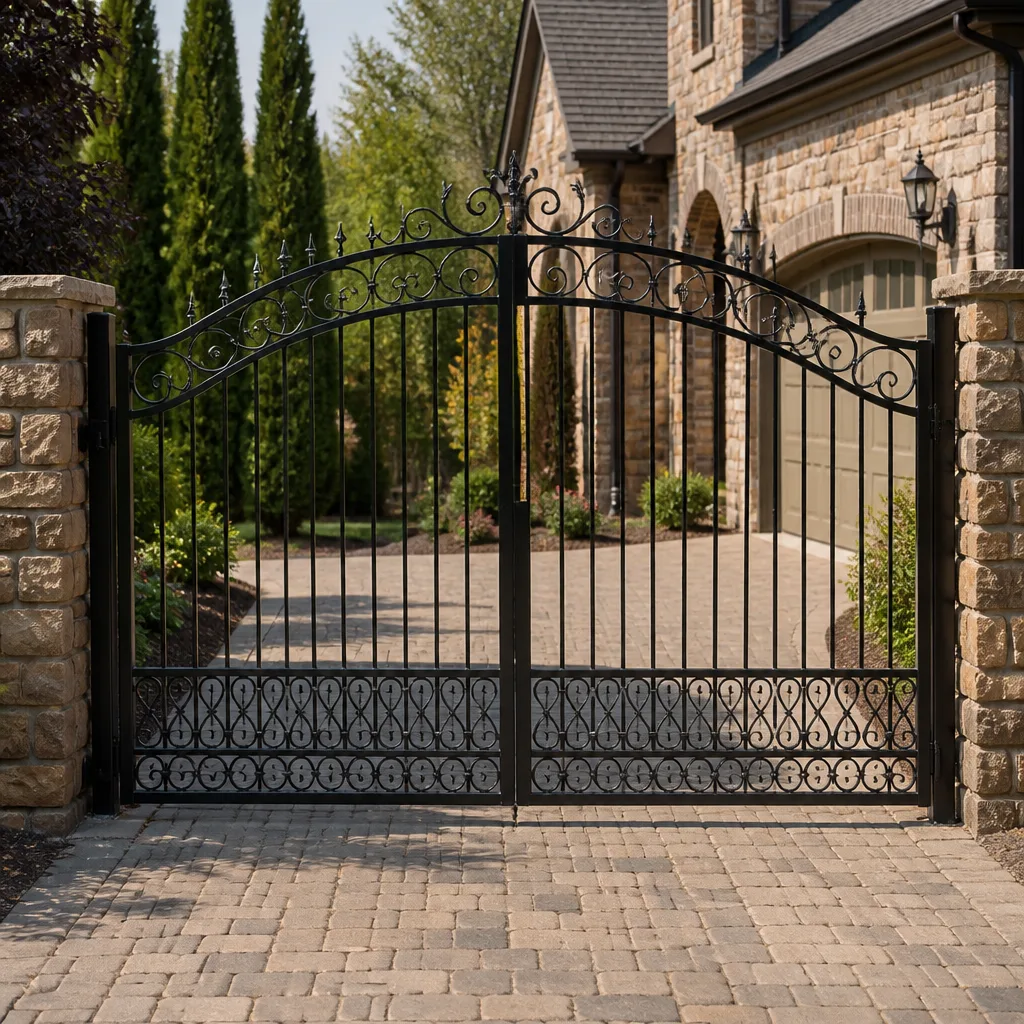 Wrought iron
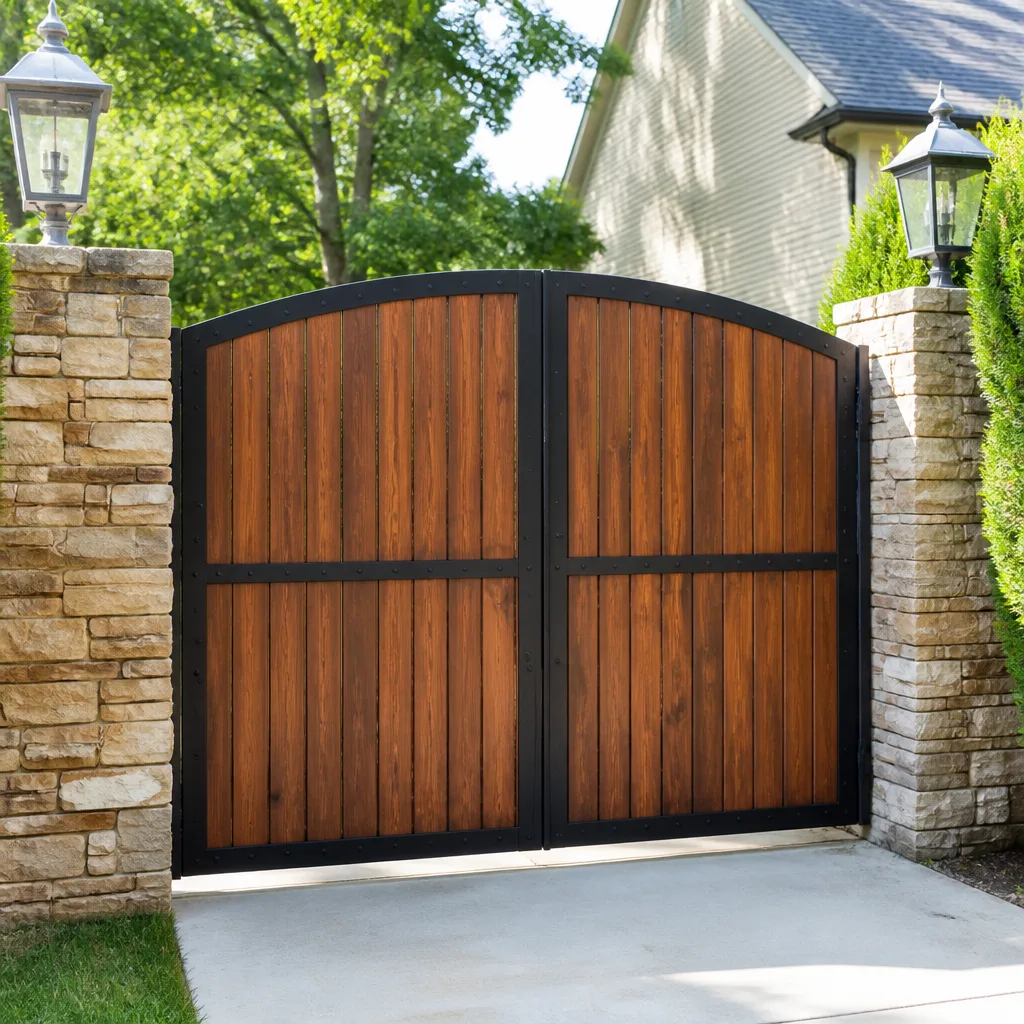 Wood & steel frame
 Farm & ranch
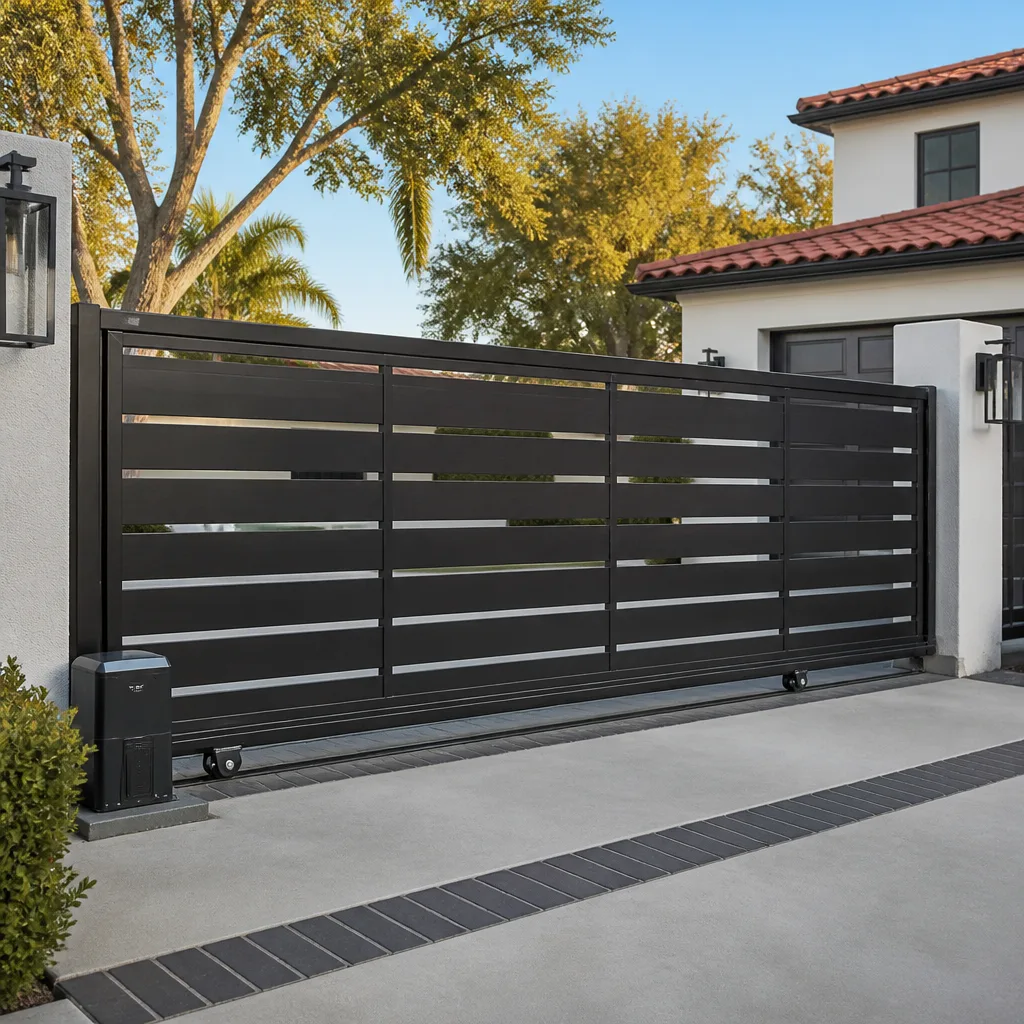 Sliding driveway gates
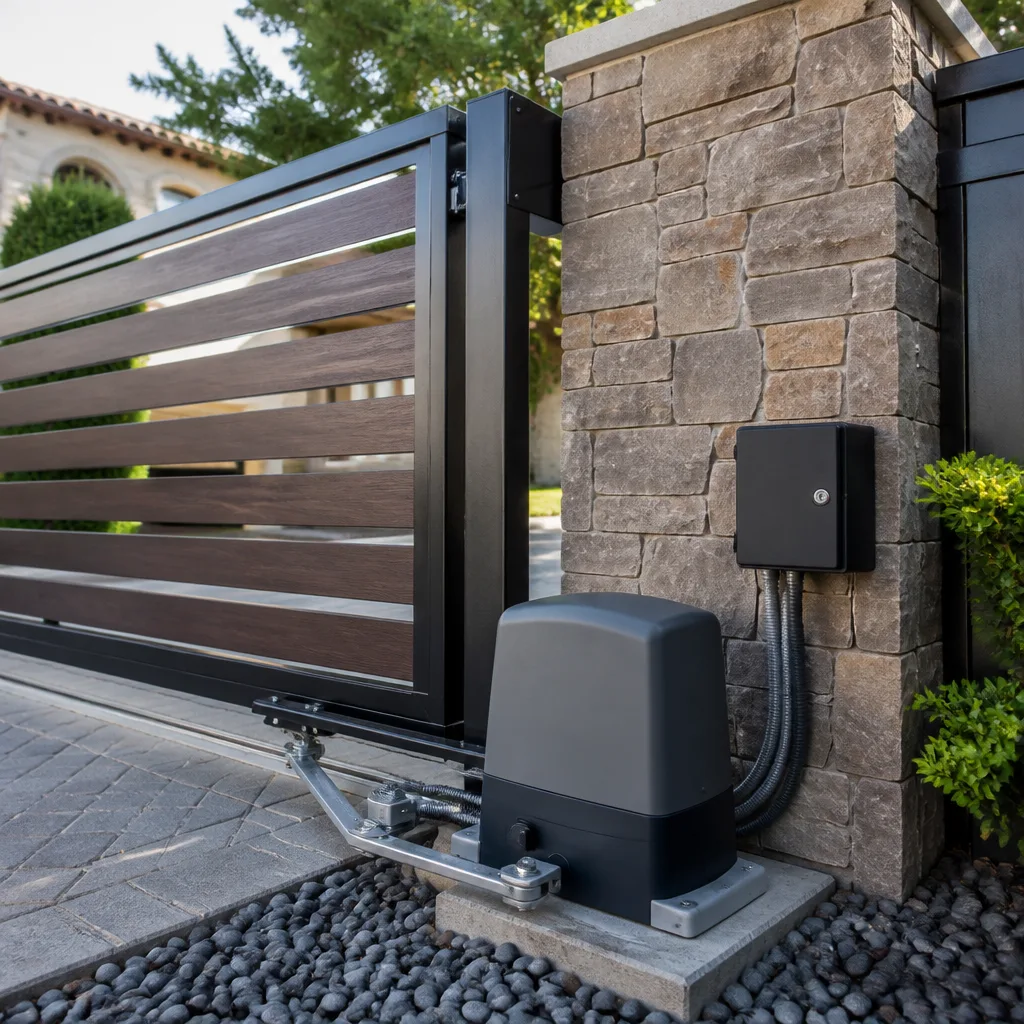 LiftMaster operators
Free on-site gate assessment - hinges, posts, and your LiftMaster or Nice gate operator checked before anything is quoted
The assessment is free and the quote is the invoice.
Get your free estimateGate Repair Maintenance Checklist for Thousand Oaks Homeowners
The capacitor in a gate motor costs about $18. Replacing it takes twenty minutes. Ignoring it until it burns out the motor board costs $400 or more. That’s the entire logic behind Gate Repair services and maintenance in Thousand Oaks. Most gate failures don’t announce themselves with a bang. They start as a half-second delay in opening, a faint hum that wasn’t there before, or a photocell that needs wiping more often than it used to. By the time the gate stops moving entirely, the repair bill has usually tripled. This guide is organized by failure consequence, not alphabetical convenience. You’ll learn which components fail silently, which ones cost the most when they do, and what to check without ever picking up a tool.
Quick Answer
A gate maintenance checklist for Thousand Oaks homeowners should prioritize the components that fail silently and create safety hazards or expensive cascade damage: motor capacitors, limit switches, photocell lenses, track channels, and battery backups. Dust from dry conditions, UV exposure on wiring, and wind-blown debris in tracks are the three Thousand Oaks-specific factors that accelerate wear. Basic visual checks and cleaning take ten minutes a month and can be done by any homeowner. Anything involving the motor housing, control board, or electrical connections should be left to a licensed technician-our Gate Repair Permits, Codes & Inspections in CA: What You Need to Know guide explains why this matters.
Styles & brands we work with
Table of Contents
- The Consequence-Ranked Checklist
- Thousand Oaks Environmental Factors That Accelerate Gate Wear
- What a Homeowner Can Check vs. What Requires a Technician
- Realistic Maintenance Intervals Based on Gate Usage
- How to Document Gate Condition with Dated Photos
- Common Mistakes to Avoid
- When to Call a Professional
- Frequently Asked Questions
The Consequence-Ranked Checklist
Most maintenance checklists list items in whatever order the writer happened to think of them. That’s backwards. A homeowner who has fifteen minutes on a Saturday shouldn’t spend it checking the keypad batteries and never get to the limit switch. Here’s the list organized by what happens when each item fails.
Tier 1: Safety Failures (Check First, Every Time)
These are the components that can injure someone or damage a vehicle when they fail. They get checked before anything else because the consequences are immediate and serious.
- Photocell alignment and lens clarity. A dirty or misaligned photocell can cause the gate to reverse onto a car, a child, or a pet. Wipe the lenses with a dry cloth. If the gate reverses for no reason, the photocells may be drifting out of alignment.
- Safety edges and pressure sensors. Run your hand along the leading edge of the gate. Any crack, tear, or hardening in the rubber safety edge means the gate may not stop when it meets resistance. This needs to be replaced, not repaired.
- Limit switches. A limit switch tells the motor where to stop. When one fails, the gate can over-travel and slam into the post, the stop, or whatever is in its path. Listen for a thunk at the end of travel. That’s the sound of a limit switch not doing its job.
- Battery backup function (for solar or backup-equipped gates). During a power outage, the battery should open the gate automatically to prevent entrapment. Test it once a quarter by cutting power to the operator and cycling the gate. If the battery can’t complete one full cycle, replace it.
Tier 2: Mechanical Failures (Check Weekly to Monthly)
Mechanical failures rarely injure anyone, but they can leave a gate stuck half-open or half-closed, which is its own kind of problem in a neighborhood where a gate is the first line of property security.
- Track channel debris (sliding gates). Thousand Oaks wind events push leaves, dirt, and small branches into gate tracks. A pebble lodged in the track can wear a flat spot on a roller, and a worn roller destroys the track. Check the track before and after windy days.
- Hinge lubrication and wear (swing gates). A swing gate hinge that’s dry or sagging puts extra load on the operator. The motor works harder, runs hotter, and fails earlier than it should. Use a lithium-based grease on hinge pins every three months.
- Roller condition. Rollers should roll, not slide. If a roller has flat spots or doesn’t turn freely, it’s grinding against the track. Replace rollers early. A $15 roller beats a $300 track replacement.
- Chain or belt tension (sliding gates with chain drive). A chain that’s too loose can jump the sprocket. One that’s too tight puts lateral load on the motor shaft. Proper tension allows about a half-inch of deflection when pressed.
Tier 3: Nuisance Failures (Check Monthly)
These failures won’t hurt anyone and won’t strand anyone, but they’re the ones homeowners live with for months because “it still works.” Live with them long enough and they migrate up the list.
- Keypad button wear. The numbers homeowners use most (usually the last two digits of the code) wear out first. If the keypad requires a firmer press on certain digits, it’s not a quirk. It’s mechanical wear, and it will get worse.
- Remote control battery contacts. Corrosion on battery terminals is common in coastal-influenced humidity. Clean the contacts with a pencil eraser. If the remote works intermittently, the contacts are the first thing to check.
- Antenna position. The receiver antenna works best when it’s vertical and unobstructed. If the gate only responds when the remote is close, the antenna may be damaged or buried behind metal. Check it visually.
- Ground loop detector (if installed). A loop detector that’s failing will open the gate for a car in one lane but not the other, or will open randomly. This one requires a technician with a loop tester to diagnose properly.
Thousand Oaks Environmental Factors That Accelerate Gate Wear
Gate manufacturers test their equipment for average conditions. Thousand Oaks doesn’t give a gate average conditions. Three local factors show up repeatedly in the gates we inspect across Thousand Oaks.
Dust in photocell lenses. The dry months from late spring through early fall produce fine, powdery dust that settles on everything. Photocell lenses are slightly concave, which makes them natural dust collectors. A photocell that’s 30% obscured still works most of the time, which is why this problem sneaks up on homeowners. The gate works fine until late afternoon, when the sun hits the lens at a low angle and the dust scatters the beam enough to cause a phantom reversal. A monthly lens wipe prevents this.
UV degradation on exposed wiring. Thousand Oaks gets an average of 285 sunny days per year. That’s hard on any plastic, but especially on the low-voltage wiring that runs from the operator to photocells, keypads, and loop detectors. Wire insulation that’s gone chalky or cracked is a short circuit waiting for a rainy day. Check any exposed wiring twice a year, in spring and fall. If the insulation shows visible cracking, wrap it or have it replaced before moisture finds its way in.
Debris in track channels after wind events. The Santa Ana winds and seasonal gusts push dry leaves, eucalyptus bark, and dust into sliding gate tracks. The track on a sliding gate is a U-shaped channel, which means it’s also a collection trough. After any wind event over 20 mph, run a gloved hand along the track. Clear anything that doesn’t belong there. A clean track is the single cheapest form of gate maintenance a Thousand Oaks homeowner can do.
What a Homeowner Can Check vs. What Requires a Technician
Most gate maintenance divides cleanly into two categories: things that are safe to inspect and clean without tools, and things that require opening the motor housing. The line isn’t about skill. It’s about what’s inside that housing.
Important safety caveat: Gate motors contain high-voltage capacitors that can hold a dangerous charge even after the power is disconnected. A capacitor doesn’t care that you know what you’re doing. It discharges when it discharges. Opening the operator housing without proper training and discharge equipment can cause serious electrical shock. This is not a place for DIY experimentation. If the problem is inside the motor housing, call a licensed technician.
Homeowner Safe (No Tools Required)
- Wipe photocell lenses with a dry or slightly damp cloth
- Clear debris from the track channel with a gloved hand or a stick
- Test the keypad, remotes, and intercom from normal operating distance
- Test photocell function by placing an object in the beam path while the gate is closing
- Visually inspect safety edges for cracks, tears, or hardening
- Check the gate’s movement for smoothness, unusual sounds, or hesitation
- Cycle the gate manually (if equipped with a manual release) to feel for mechanical binding
- Take dated photos for your maintenance record
Technician Required (Do Not Attempt)
- Opening the motor housing for any reason
- Replacing a capacitor, control board, or transformer
- Adjusting limit switches inside the operator
- Diagnosing or replacing a failing ground loop detector
- Replacing swing gate hinges or operator arms under spring or weight load
- Any repair involving the gate’s electrical supply line
- Resetting or replacing circuit breakers inside the operator enclosure
The rule is simple. If it’s outside the housing, a homeowner can handle it. If it requires opening the housing, that’s a gate motor repair call. The technicians at Carver Gate Repair Thousand Oaks don’t charge to tell a homeowner which category a problem falls into. A phone call gets a straight answer.
Realistic Maintenance Intervals Based on Gate Usage
Generic maintenance advice usually says “inspect annually.” That’s not realistic for Thousand Oaks. A gate that cycles 40 times a day at a busy family home wears differently than a gate that cycles 6 times a day at a quiet property. Here’s a schedule based on actual usage patterns we see in the field.
High-Use Gates (30+ Cycles Per Day)
These are the gates at homes with multiple drivers, service vehicles, or home-based businesses. Every component is working harder than the manufacturer’s average-use rating assumes.
- Weekly: Track inspection, photocell wipe, listen for new sounds
- Monthly: Hinge or roller lubrication, safety edge inspection, remote and keypad test
- Quarterly: Battery backup test, limit switch listening check, full visual inspection of wiring
- Semi-annually: Professional inspection, chain or belt tension check, motor performance evaluation
Moderate-Use Gates (10-29 Cycles Per Day)
This is the typical Thousand Oaks household. Two cars, maybe a third driver on a permit, some delivery traffic.
- Monthly: Track inspection, photocell wipe, remote and keypad test
- Quarterly: Hinge or roller lubrication, safety edge inspection, battery backup test
- Semi-annually: Professional inspection, wiring inspection, limit switch check
- Annually: Full motor diagnostic, chain or belt tension adjustment
Low-Use Gates (Fewer Than 10 Cycles Per Day)
Low usage doesn’t mean low maintenance. These gates suffer from a different failure mode: lubricants settle, contacts oxidize, and components seize from disuse. Batteries also self-discharge faster than anyone expects.
- Monthly: Operate the gate through a full cycle even if you don’t need to
- Quarterly: Photocell wipe, track inspection, hinge or roller lubrication
- Semi-annually: Battery backup test, remote and keypad test
- Annually: Professional inspection and motor diagnostic
The key insight: gates that sit idle fail in different ways than gates that work hard. A low-use gate in Thousand Oaks is more likely to fail from a corroded connection or a seized bearing than from worn rollers. The maintenance interval should reflect that difference.
How to Document Gate Condition with Dated Photos
Here’s a maintenance habit that pays for itself the first time you need it. Take dated photos of your gate every time you do a maintenance check. It takes ninety seconds and creates a record that’s invaluable when something goes wrong.
Three situations make this habit worth the effort:
Warranty claims. Gate motor manufacturers like DoorKing and Linear have warranty periods that run from the date of installation or first use. When a motor fails inside the warranty window, the manufacturer wants to see evidence of proper maintenance. A photo log showing cleaned tracks, clear photocell lenses, and lubricated hinges at regular intervals is exactly the documentation that gets a warranty claim approved. Without it, the claim becomes a he-said-she-said argument.
Insurance documentation. If a vehicle hits your gate, or a wind event damages it, the insurance adjuster will ask when the gate was last inspected and maintained. Dated photos answer that question with evidence instead of recollection. They also establish the pre-damage condition, which matters when the adjuster is deciding between repair and replacement.
Tracking slow deterioration. A hinge that’s sagging by a fraction of an inch per month doesn’t look different from week to week. Compare photos from three months apart and the wear becomes obvious. This helps homeowners catch gradual problems before they become sudden failures.
The Photo Routine
- Stand in the same position each time, ideally directly in front of the gate from 10 feet back
- Take a full-gate photo (gate closed)
- Take a close-up of each hinge or roller
- Take a close-up of the photocells
- Take a close-up of the track channel
- Take a photo of the operator housing and any visible wiring
- Save the photos in a folder named with the date (format: YYYY-MM-DD)
- Note anything unusual in the filename or in a simple text file
Storage is simple. A folder on your phone or computer works fine. The point isn’t a perfect system. The point is that the photos exist when you need them. A homeowner with eighteen months of dated photos has a much stronger position in any warranty or insurance conversation than one who says, “I checked it regularly.”
Common Mistakes to Avoid
- Lubricating a sealed bearing. Many modern gate rollers and hinges have sealed bearings that don’t take external lubrication. Adding oil or grease makes a mess and attracts dust, which creates a grinding paste. If the component doesn’t have a visible grease fitting, leave it alone or ask a technician.
- Using WD-40 on gate parts. WD-40 is a water displacer and light penetrant, not a lasting lubricant. It works for a week and then leaves the surface dry enough to wear faster. Use lithium grease on hinges and rollers, and a dry silicone spray on tracks.
- Power-washing the gate and operator area. High-pressure water forces its way into motor housings, electrical connections, and control boards. A hose with a regular nozzle and a soft brush is the heaviest cleaning a gate should ever get. Keep water away from the operator entirely.
- Ignoring a new sound for more than a week. A gate that starts making a new sound is telling you something. A squeak becomes a grind, and a grind becomes a seized component. New sounds get investigated within seven days.
- Spraying lubricant near the photocells. Overspray lands on the lenses and creates a sticky film that attracts dust. If the photocells are above the area you’re lubricating, cover them first or remove the overspray immediately.
- Pushing a misbehaving gate instead of diagnosing it. When a gate won’t close, the temptation is to help it along by hand. This can damage the operator, bend the rack, or throw the gate off its track. A misbehaving gate gets diagnosed, not forced.
- Replacing the remote when the problem is the receiver. When a gate doesn’t respond to a remote, homeowners often buy new remotes. If the receiver board is the problem, the new remote won’t work either. Test the old remote before replacing it, or have a technician check the receiver. Ghost Controls and Viking receivers are durable, but they do fail.
When to Call a Professional
Some gate problems are obvious enough that a homeowner should not wait for the next scheduled maintenance. A gate that reverses for no reason, makes a grinding or clicking sound from the motor housing, or moves slower than it did last month needs a professional diagnosis-see our Gate Repair Warning Signs: A Thousand Oaks Homeowner’s Reference Guide for details. The same goes for any gate that has been hit by a vehicle, even if it still works. An impact can throw off track alignment, damage rollers, or crack a weld that holds until it doesn’t.
If any of the safety components fail, including photocells, safety edges, or the battery backup, that’s also a same-day call. A gate that can close on someone is not a maintenance item. And anything involving the electrical supply line, a tripping breaker, or a motor that hums but doesn’t move is a job for a licensed technician, not a weekend project.
Carver Gate Repair Thousand Oaks provides free estimates across Thousand Oaks. Lonnie Burke and the team diagnose the problem, write down the price, and start the work only after that number is agreed. Everything is covered by the 365-Day Done Right Promise, which is a written guarantee on every repair, good for a full year. If the repair fails inside that window, we return and fix it at no charge. That’s the Garrison Standard. Call (805) 309-3048 and a live person answers.
Frequently Asked Questions
A gate in Thousand Oaks should get a basic homeowner check every month and a professional inspection every six to twelve months, depending on usage frequency. High-use gates that cycle 30 or more times per day benefit from a professional inspection every six months. Moderate-use gates can go annually. The dry, dusty conditions in Thousand Oaks make monthly photocell cleaning and track clearing more important than they would be in a wetter climate. Call (805) 309-3048 to schedule a spring or fall inspection, and the technician will give you a written maintenance plan based on your gate’s actual usage.
Basic gate maintenance in Thousand Oaks typically runs $85 to $175 for a professional inspection and tune-up, which includes track cleaning, hinge or roller lubrication, limit switch adjustment, and a full safety component test. Repairs identified during maintenance are quoted separately before any work proceeds. If the inspection uncovers a failed capacitor or worn roller, those parts are typically $15 to $50 each, while a motor board replacement runs $250 to $450 installed. Call (805) 309-3048 for an exact quote. The estimate is free, and the written price does not change at the door.
Homeowners can safely handle the exterior, no-tool maintenance items: wiping photocell lenses, clearing track debris, lubricating accessible hinges, and testing remotes and keypads. Anything that requires opening the motor housing, adjusting internal components, or working with electrical connections should be handled by a licensed technician. Gate motors contain capacitors that hold a dangerous electrical charge even when the power is off. The cost of a professional inspection is small compared to the risk of a serious electrical shock.
Phantom gate reversals in Thousand Oaks are most commonly caused by dust accumulation on photocell lenses, which is a direct result of the dry conditions during our summer and fall months. The second most common cause is a photocell drifting out of alignment, which happens over time as posts settle and temperatures fluctuate. Less common causes include a failing ground loop detector or a safety edge that’s hardening and triggering false readings. Clean the lenses monthly, and if the problem persists, call (805) 309-3048 for a diagnostic visit.
A quality gate motor from a manufacturer like LiftMaster or FAAC should last 8 to 12 years in Thousand Oaks with proper maintenance. The variables that shorten that lifespan are dust intrusion, UV exposure to wiring and plastic components, and failure to replace small parts like capacitors before they cascade into board failures. Motors that get a professional inspection twice a year consistently outlast motors that run until something breaks. The cheapest motor repair is the one that happens before the motor fails.
Yes. Carver Gate Repair Thousand Oaks technicians work on nine gate-motor brands, including Linear, Viking, Ghost Controls, and DoorKing, plus LiftMaster, FAAC, BFT, Elite, and Mighty Mule. Matching the right parts and diagnostic approach to the system already installed matters more than brand loyalty. The technician arrives with the testing equipment and common parts needed for the brand on your gate, which means fewer second trips. If you’re considering a new gate or wondering whether to repair or replace, we can also discuss gate installation options in Thousand Oaks.
The 365-Day Done Right Promise is a written guarantee on every gate repair, covering parts and workmanship for a full year from the date of service. For more guides & resources on gate care, visit our blog. If the same problem recurs inside that window, Carver Gate Repair Thousand Oaks returns and makes it right at no charge. There’s no fine print about usage, weather, or “normal wear.” The guarantee is part of the Garrison Standard, which has governed the company’s work since 2008. Every customer receives the written price before work starts, and every repair is backed in writing before the technician leaves.
The Bottom Line
Gate maintenance in Thousand Oaks isn’t about checking boxes. It’s about knowing which components fail silently and cost the most when they finally do. The photocell lens that’s dusty today is a phantom reversal tomorrow. The capacitor that hums faintly today is a motor board replacement in six months. The track that has a little debris today is a worn roller and a scored channel next year. A monthly ten-minute check, a quarterly battery test, and a professional inspection once or twice a year keep a gate running for a decade or more. When the list turns up something that shouldn’t be there, professional gate repair in Thousand Oaks is one phone call away. Carver Gate Repair Thousand Oaks is ready when you need it.
Written by Lonnie Burke, Owner at Carver Gate Repair Thousand Oaks, serving Thousand Oaks since 2008.
See the difference
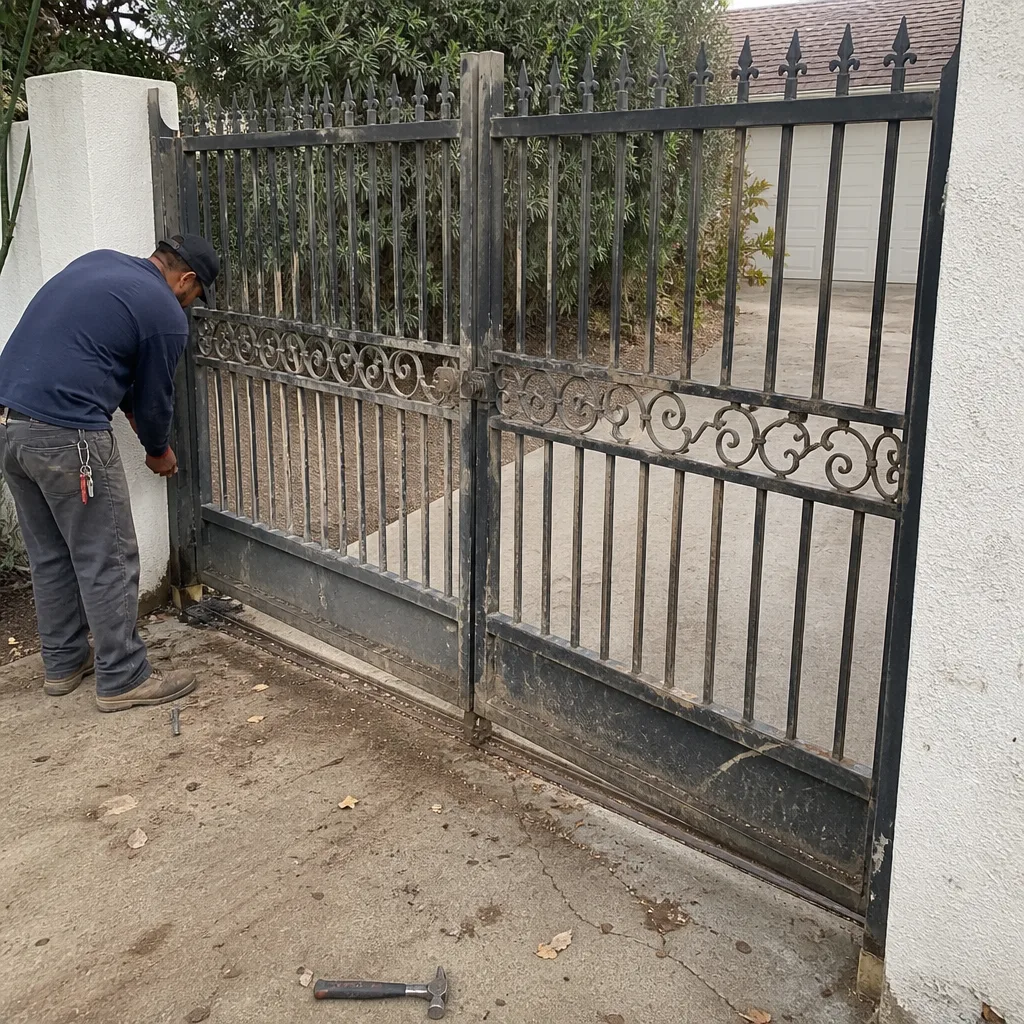 Before
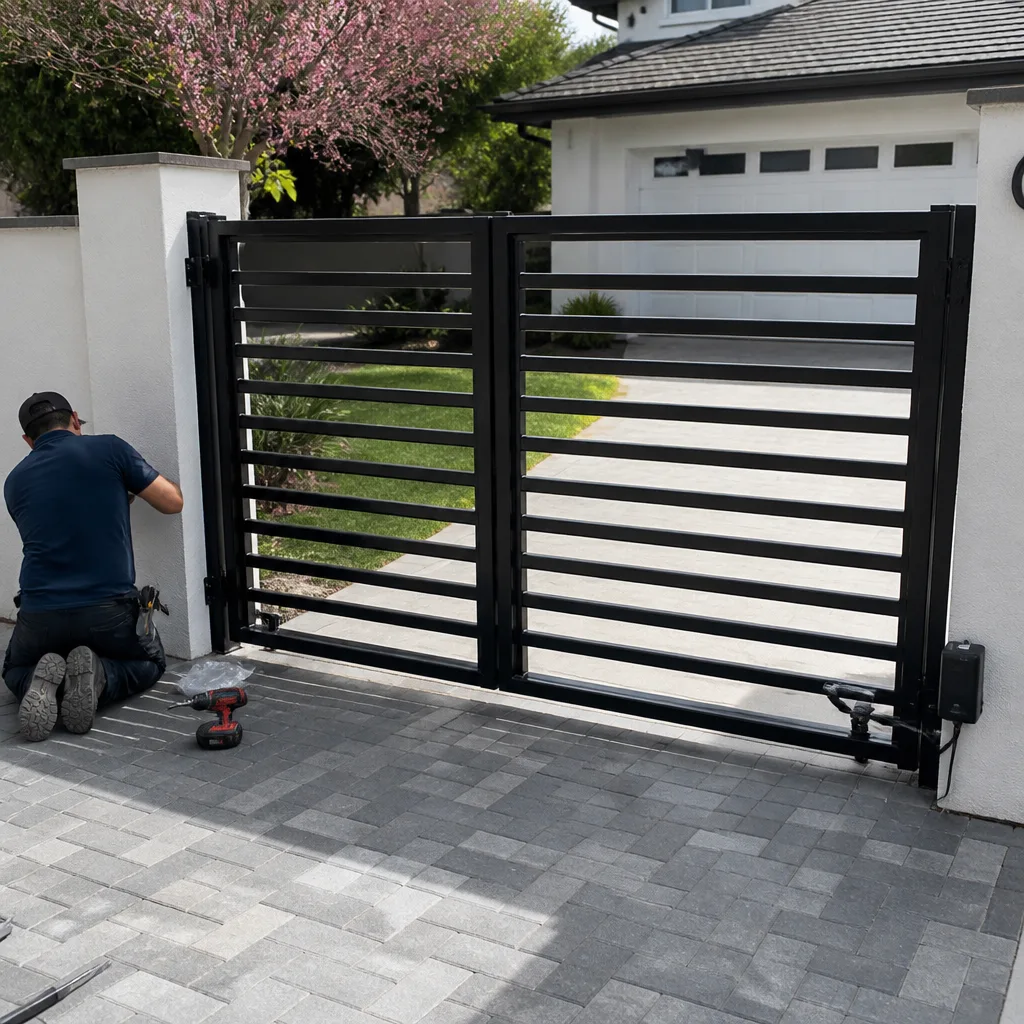 After
After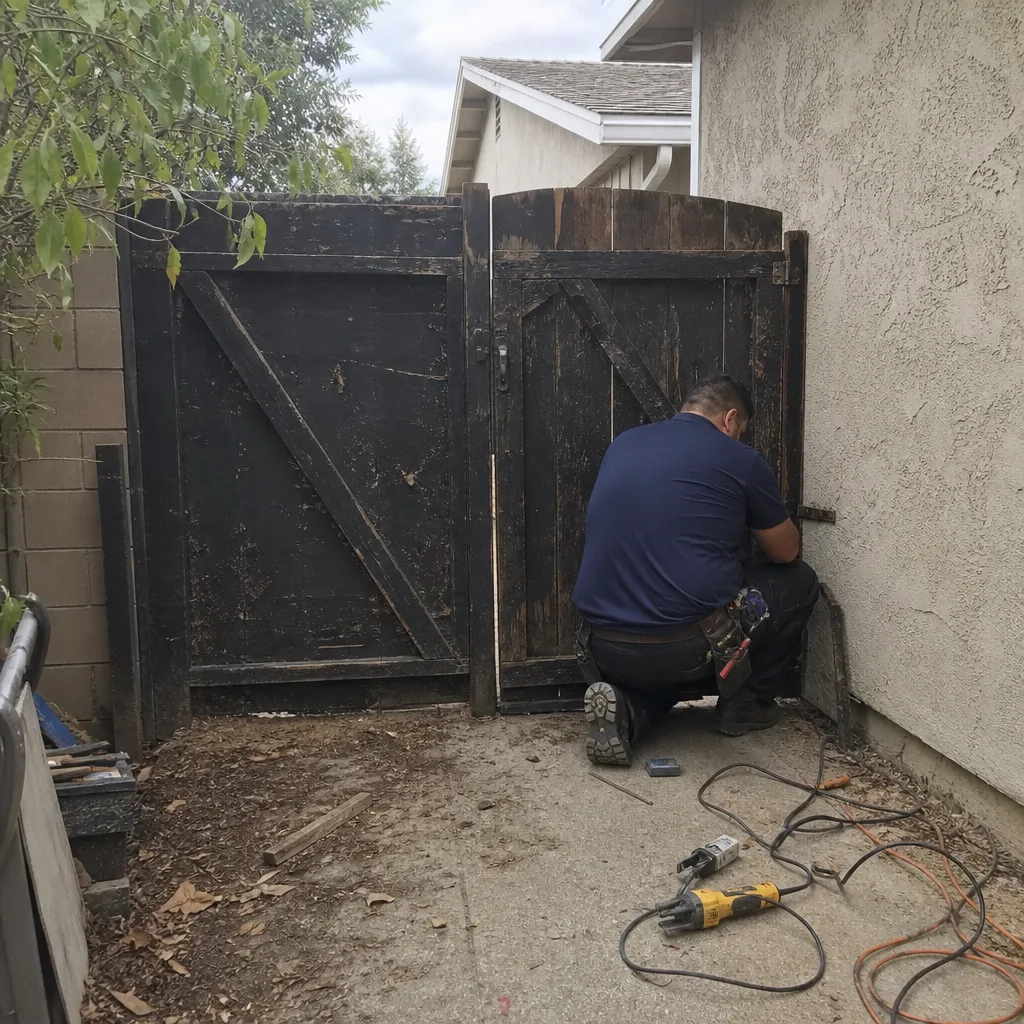 Before
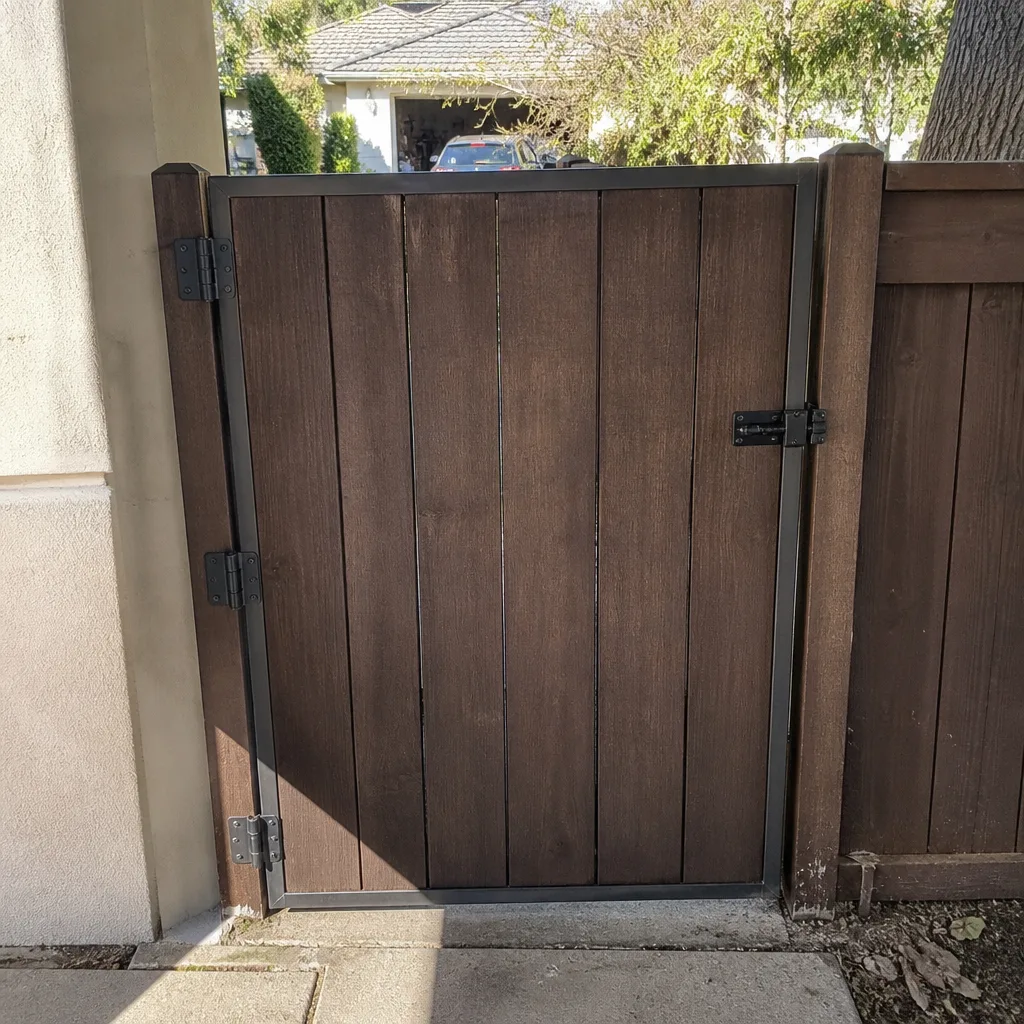 After
After