
Last updated October 16, 2026
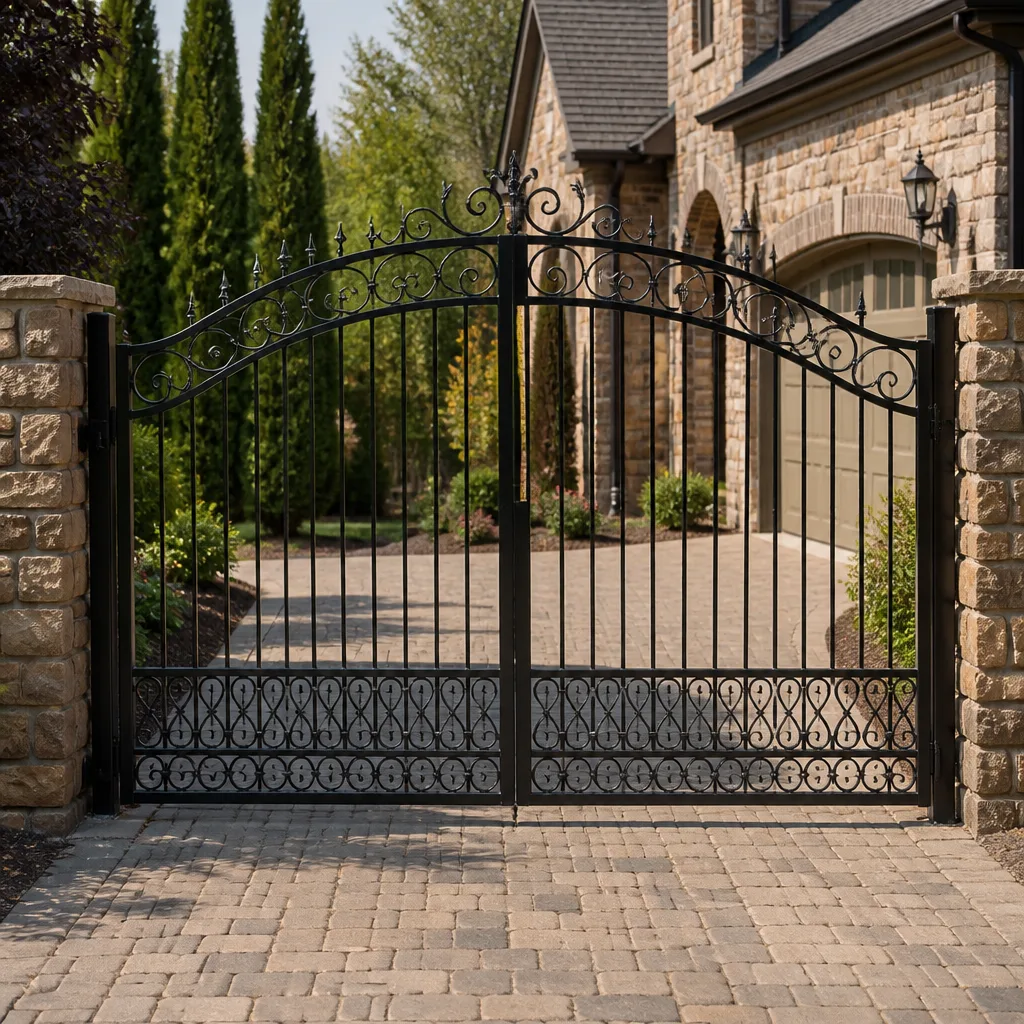 Wrought iron
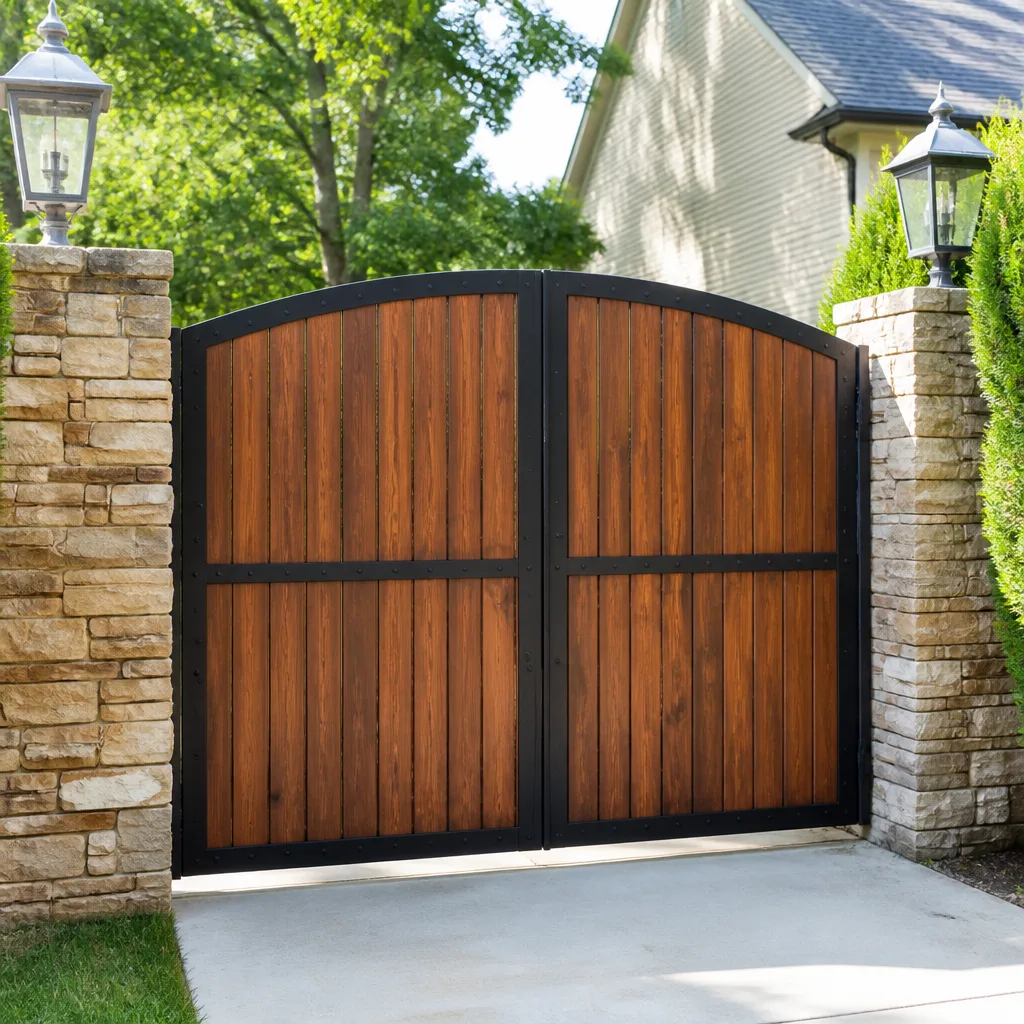 Wood & steel frame
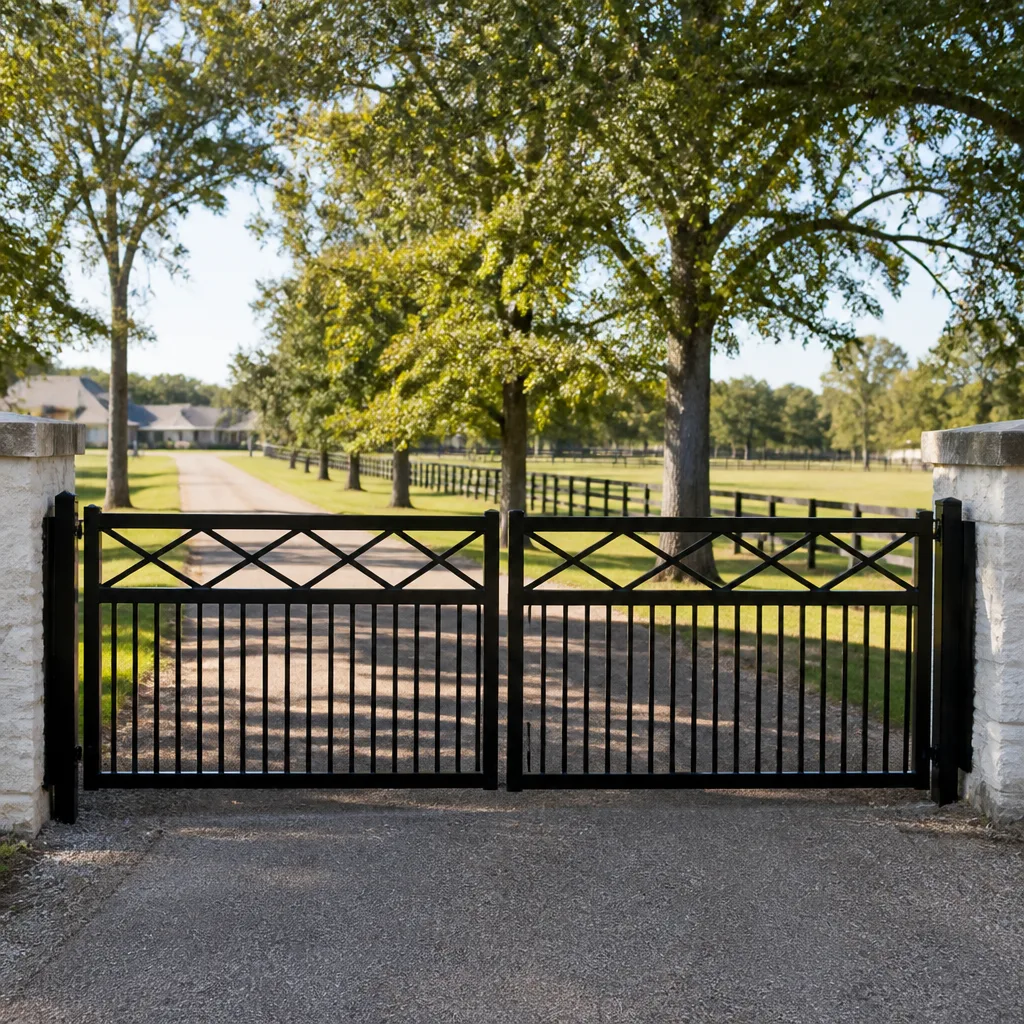 Farm & ranch
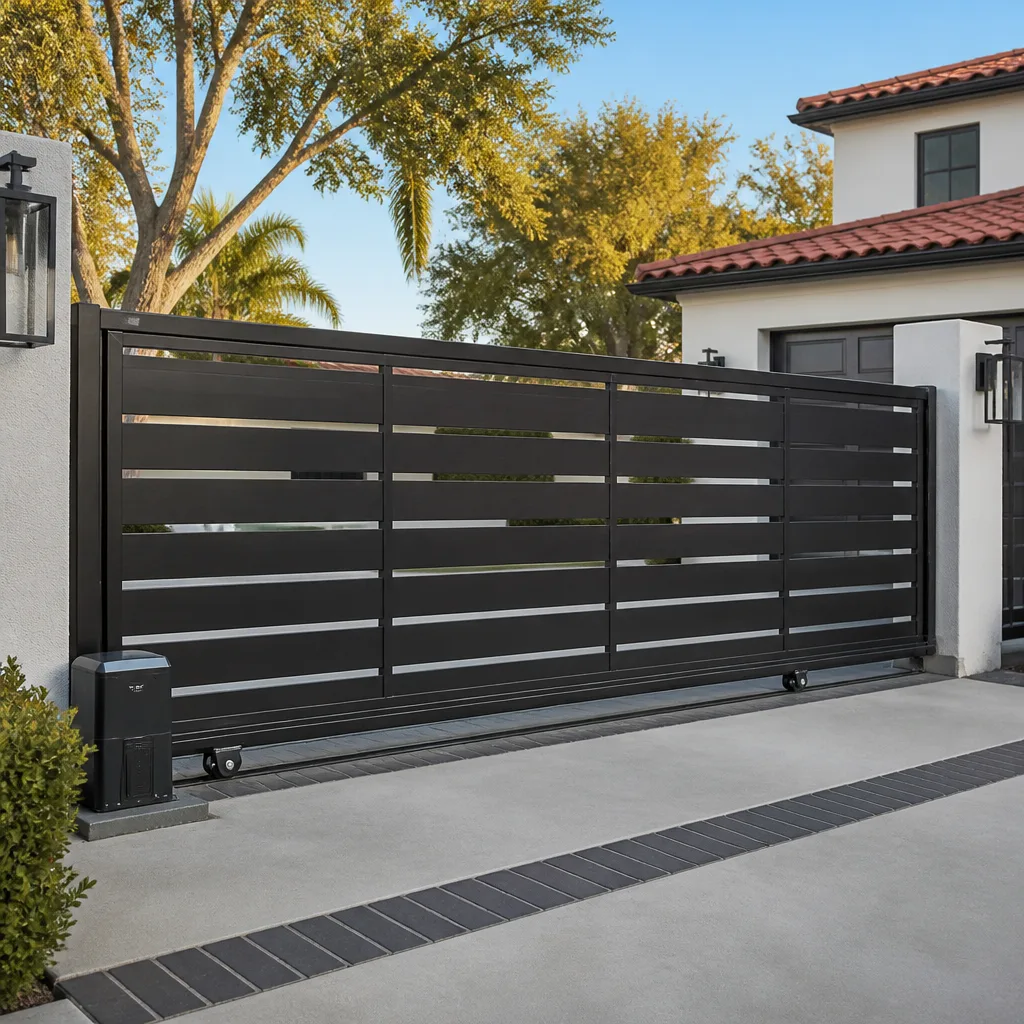 Sliding driveway gates
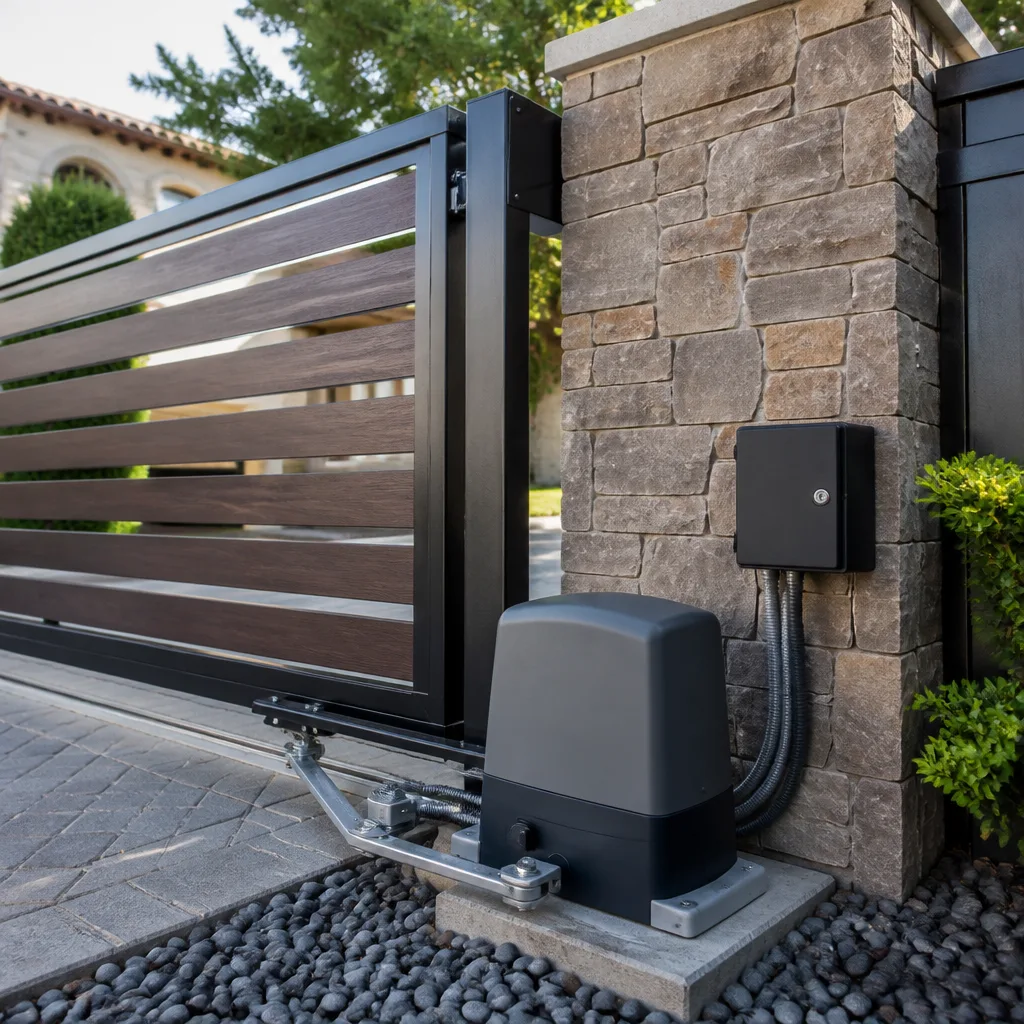 LiftMaster operators
Free on-site gate assessment - hinges, posts, and your LiftMaster or Nice gate operator checked before anything is quoted
The assessment is free and the quote is the invoice.
Get your free estimateThe Complete Guide to Gate Repair in Thousand Oaks
A gate that opens slowly in January and stops working entirely by March didn’t fail overnight. It telegraphed the problem for weeks. Most Thousand Oaks homeowners missed it because no one told them what to look for. This guide walks through every common gate failure, traces it to its actual root cause, and explains what a legitimate Gate Repair looks like in Thousand Oaks, where dry heat, Santa Ana winds, and hillside lots put specific stresses on gate hardware that flatland properties never see.
Quick Answer
Gate repair in Thousand Oaks typically costs $150 to $450 for mechanical issues like hinge replacements or sensor alignment, and $400 to $1,200 when the motor or control board needs replacement. Most repairs are completed in a single visit. The three root causes behind the majority of Thousand Oaks gate failures are hinge oxidation from dry heat cycles, capacitor degradation from voltage fluctuations during Santa Ana wind events, and track warping on slide gates exposed to direct afternoon sun.
Styles & brands we work with
Table of Contents
- Why Thousand Oaks Climate Creates Specific Gate Failures
- Gate Emergency vs. Gate Inconvenience: Know the Difference
- Swing Gates vs. Slide Gates: Different Systems, Different Failures
- Gate Motor Brands in Thousand Oaks and Their Failure Patterns
- How to Diagnose Your Gate Before the Technician Arrives
- What Gate Repair Costs in Thousand Oaks
- Reading a Gate Repair Invoice Without Getting Fooled
- Maintenance That Prevents Repeat Repairs
Why Thousand Oaks Climate Creates Specific Gate Failures
Thousand Oaks sits in a Mediterranean climate zone where summer temperatures regularly climb into the 90s and winter nights dip into the 40s. That swing, repeated daily for months, does something specific to metal: it makes it breathe. Hinges expand in afternoon heat and contract at night, which slowly works oxidation into the pin and bushing. In coastal climates, the ocean air causes surface rust. In Thousand Oaks, the dry heat causes a different problem – hinge pins seize from fine dust and micro-oxidation rather than visible corrosion.
The Santa Ana winds add a second stressor. These winds, which typically arrive between September and January, push sustained gusts against gate panels. A swing gate that’s slightly misaligned will slam against its stop. A slide gate will chatter against its track wheels. Over time, that repeated impact loosens hinge welds and flattens track bearings. We’ve seen Thousand Oaks gates that failed in a wind event simply because a hinge bolt had backed out two turns over six months.
Capacitors inside gate motor control boards are particularly vulnerable to Thousand Oaks’ heat. A capacitor is a small cylinder that holds an electrical charge to start the motor. When ambient temperatures repeatedly exceed 90 degrees, the dielectric material inside degrades faster than its rated lifespan. A capacitor that would last eight years in San Francisco might last four in Thousand Oaks. The symptom is usually a gate that hums but doesn’t move, or a motor that trips its thermal overload and needs to “rest” before it will operate again.
For slide gates, track warping is a real Thousand Oaks problem. Aluminum and steel tracks mounted on concrete or asphalt expand and contract with ground temperature. Afternoon sun on a black asphalt driveway can push surface temperatures past 130 degrees. A slide gate track that’s bolted too tightly will bow upward in that heat, and the gate will bind partway through its travel. Homeowners in neighborhoods like Newbury Park and Lynn Ranch see this more than most because of long, exposed driveways.
Carver Gate Repair Thousand Oaks home maintains a record of these local failure patterns, which is why our technicians arrive knowing which components to check first based on the season and the exposure of your gate.
Gate Emergency vs. Gate Inconvenience: Know the Difference
A gate stuck open at 9 p.m. is a different problem than a gate that opens slowly. The distinction matters because it changes what you should do, who you should call, and what the repair will likely involve. Here’s the line: a gate emergency is any situation where the gate creates a safety hazard or leaves your property unsecured. A gate inconvenience is any situation where the gate works, but not well.
Gate emergencies in Thousand Oaks:
- Gate stuck fully open and won’t close, leaving the property exposed
- Gate that reverses direction mid-travel and could strike a vehicle or person
- Gate with exposed wiring or a smoking motor
- Gate that fell partially off its track or off a hinge
- Gate that won’t open at all and blocks a vehicle inside the property
Gate inconveniences:
- Gate opens slower than it used to
- Remote control works only at close range
- Gate makes a grinding noise but still travels
- Gate pauses for a second before moving
- Keypad works intermittently
Here’s why the distinction matters for your wallet. A gate that’s stuck open on a Friday night needs an emergency call, and every legitimate Thousand Oaks gate company charges more for after-hours dispatch. For context on whether to tackle issues yourself, see our DIY vs Professional Gate Repair: The Thousand Oaks Homeowner’s Decision Guide. A gate that opens slowly can usually wait for a regular appointment, and repairing it before it fails completely typically costs less than repairing it after the motor burns out from strain. If your gate is stuck open or creating a hazard, call a live person. If it’s just slow, schedule the visit and describe the symptom in detail.
Swing Gates vs. Slide Gates: Different Systems, Different Failures
Thousand Oaks properties use both gate types, and each fails in its own way. Knowing which system you have and what its typical failure looks like puts you ahead of the conversation when you call for service.
Swing Gates: The Hinge and Actuator Problem
Swing gates pivot on hinges and are driven by either an articulating arm operator or an underground swing operator. In Thousand Oaks, the most common swing gate failures are:
- Hinge pin wear or seizure. The gate sags and scrapes the ground or won’t close fully. This is the #1 swing gate problem we see in Thousand Oaks because the dry heat accelerates pin oxidation.
- Articulating arm joint failure. The arm has pivot joints that wear out, especially on gates in wind-exposed properties. The gate will move in jerky steps or stop mid-travel.
- Underground operator water intrusion. These operators sit in a box below grade, and while Thousand Oaks doesn’t get much rain, irrigation overspray is a common culprit. The gate motor will short or trip a GFCI circuit.
- Photoelectric sensor misalignment. The safety sensors at the gate path get bumped by wind movement or yard work, and the gate refuses to close because it thinks something is in the way.
The telltale sign of a swing gate problem is a gate that hangs visibly lower on one side. Stand at the edge of the gate and sight down the top rail. If it’s not level, the hinges need attention before the gate gets heavier on the operator, which will burn out the motor prematurely.
Slide Gates: The Track and Wheel Problem
Slide gates ride on wheels along a track and are driven by a chain or belt connected to a motor at the open end. The failures here are different:
- Track warping from heat. As noted above, Thousand Oaks afternoon heat bows tracks and the gate binds partway through travel. The motor will strain, trip its overload, or shear a chain pin.
- Wheel bearing flat spots. Slide gate wheels carry the gate’s full weight, and a gate that sits in one position for months at a time develops flat spots on the wheel bearings. The gate will thump as it rolls.
- Chain tension drift. The chain or belt that moves a slide gate stretches over time. When it gets loose, the gate will jerk forward on startup and overshoot the limit switch, which triggers a safety reversal.
- Debris in the track. In Thousand Oaks, eucalyptus leaves and acorns from oak trees are the usual culprits. A slide gate track packed with debris will bind and eventually derail the gate.
Before you call anyone, walk the track and look for a bow in the rail, flat spots on the wheels, or debris packed into the channel. You don’t need to fix it yourself – you just need to give the technician an accurate description of what you’re seeing. That saves a diagnostic trip and gets the right parts on the first truck.
Gate Motor Brands in Thousand Oaks and Their Failure Patterns
Most Thousand Oaks homes have a gate motor from one of a handful of major manufacturers. Each brand has a distinct personality, and a technician who knows those patterns can diagnose faster than one who treats every motor the same. At Carver Gate Repair Thousand Oaks, we service nine major brands, including LiftMaster, FAAC, BFT, Linear, Viking, Ghost Controls, DoorKing, Elite, and Mighty Mule.
Ghost Controls
Ghost Controls openers are popular on residential swing gates in Thousand Oaks because they’re affordable and install quickly. Their common failure point is the battery in the receiver board and the limit switch assembly. The motor itself is usually solid. When a Ghost Controls gate stops responding to the remote but the motor still works, it’s almost always the receiver board. These are repair-friendly units – most Ghost Controls failures are fixed with a single component replacement rather than a full operator swap.
DoorKing
DoorKing makes heavy-duty slide gate operators that are common on larger Thousand Oaks properties. They’re built for volume but they have one weak point: the loop detector system. DoorKing operators use loop detectors buried in the driveway to sense vehicles, and Thousand Oaks’ shifting clay soil can crack the loop wire or throw off the detector calibration. The symptom is a gate that opens but won’t close automatically, or a gate that opens when no car is present. DoorKing operators also have a master/slave board setup that can confuse a technician without brand-specific training.
Elite
Elite gate operators are known for their durability, but their failure pattern in Thousand Oaks is specific: power supply board degradation from summer heat. The Elite models we see most often in this area have transformer boards that fail gradually, producing dead remotes, a weak motor, or an operator that resets randomly. Elite operators respond well to a full diagnostic sweep – replacing the power board and recalibrating the limits usually brings the operator back to original performance.
Mighty Mule
Mighty Mule is the classic DIY-install gate opener, and in Thousand Oaks we see them most often on smaller side gates. Their weakness is the control board’s sensitivity to voltage spikes. Thousand Oaks’ electrical grid, especially in neighborhoods served by above-ground lines, delivers occasional voltage fluctuations during Santa Ana wind events. A Mighty Mule control board that’s had a spike will stop responding to all inputs, or it will open the gate but not close it. The fix is a new board, and sometimes a surge protector wired in line.
If you know your motor brand, mention it when you call. It tells the dispatcher which technician to send and which diagnostic parts to stock on the truck. That’s the difference between a one-visit repair and a two-visit repair.
How to Diagnose Your Gate Before the Technician Arrives
You don’t need to be a technician to give a useful description of the problem. You need to know what to look at and what to say. Here’s a step-by-step observation checklist that will save you time and money on any Gate Repair in Thousand Oaks.
- Write down exactly what the gate does when it fails. Does it not open? Not close? Open halfway and reverse? Open then immediately close? The exact behavior tells the technician which component is involved.
- Note when the problem happens. Only in the morning when it’s cold? Only in the afternoon when it’s hot? Only when the wind is blowing? Timing narrows the diagnostic quickly.
- Check the gate’s physical position. Is the gate level? Does it scrape the ground? Is the track clear? Does the gate hit anything when it opens?
- Test the remote and the keypad separately. If the keypad works but the remote doesn’t, the problem is the receiver or the remote battery, not the motor. If neither works, it’s the control board or power supply.
- Check the power. Is the operator plugged in? Is the breaker tripped? Did a GFCI outlet trip? A surprising number of Thousand Oaks gate failures are electrical supply issues, not mechanical failures.
- Listen. A hum with no movement is a capacitor or motor start problem. A grinding sound is a bearing or track wheel issue. A clicking sound with no movement is often a control board relay. These sounds tell the technician what to bring.
When you call a gate repair company, give them this information. A company that asks for it is a company that sends the right technician with the right parts. A company that doesn’t ask is likely planning to show up, look around, and then come back a second time – which means a second trip charge.
What Gate Repair Costs in Thousand Oaks
Thousand Oaks gate repair pricing falls into predictable ranges, and knowing them before you call protects you from overpaying. For detailed 2026 figures, see our Gate Repair Cost Breakdown: The Thousand Oaks Homeowner’s Reference for 2026. Here’s what we see across the local market:
Typical Gate Repair Costs in Thousand Oaks
- Hinge replacement (single hinge): $85 to $180, including the hinge itself
- Sensor alignment or replacement: $95 to $220
- Remote control replacement or programming: $45 to $120
- Control board replacement: $250 to $550
- Capacitor replacement: $90 to $180
- Track straightening or wheel replacement: $150 to $400
- Complete operator (motor) replacement: $850 to $2,400, depending on brand and horsepower
- Trip charge (if repair is declined after diagnosis): $49 to $125
These ranges reflect Thousand Oaks market conditions in 2025. A technician who quotes a control board at $800 for a standard residential motor is padding the price. A quote of $150 for a full hinge replacement on a heavy steel gate is likely cutting corners on parts quality. Both are red flags.
At Carver Gate Repair Thousand Oaks, the written price you receive before any work starts is the price you pay. There’s no discovery fee, no surprise line item for “miscellaneous parts,” and no price adjustment after the gate is open. The Gate Motor Repair in Thousand Oaks page covers motor-specific pricing in more detail.
If your gate needs a full Gate Installation in Thousand Oaks, the pricing structure is different – installations involve measured work, ordered parts, and scheduled labor, and a free measure with a written quote is the industry standard.
Reading a Gate Repair Invoice Without Getting Fooled
A legitimate gate repair invoice tells you exactly what was done and what you paid for. Here’s what should appear on every line, and what should never appear.
What a legitimate invoice includes:
- Specific part names. “Replaced right-side lower hinge” or “Replaced Mighty Mule control board, model FM502.” If the invoice says “gate parts” with no detail, ask for a rewrite.
- Labor separated from parts. A typical Thousand Oaks gate repair invoice shows parts as one line item and labor as another, with labor rates falling between $75 and $150 per hour.
- The make and model of any replacement component. This matters for warranty purposes. If your invoice doesn’t list the brand of the motor board or the hinge manufacturer, you can’t enforce a warranty later.
- The guarantee in writing. Carver Gate Repair Thousand Oaks puts the 365-Day Done Right Promise on every invoice – one year from the date of service, a free return visit if the same repair fails within the guarantee window.
Line items that are red flags:
- “Service fee” that isn’t disclosed before the visit. Any legitimate Thousand Oaks gate company tells you the trip charge before the truck rolls. A surprise service fee is a billing trick.
- “Miscellaneous parts” with no description. This is padding. Every part that goes on your gate has a name and a price.
- “Cleanup” or “disposal” charges on a small repair. Removing a single hinge or control board takes minutes and the cost should be folded into labor.
- Labor charged in 30-minute minimums that inflate simple jobs. If a hinge replacement takes 20 minutes but you’re billed for 60 at $150, that’s padding.
Ask for an itemized invoice before you pay, and compare it to the written quote you received before the work began. If the numbers moved, ask why. If the answer isn’t specific, call someone else next time.
Maintenance That Prevents Repeat Repairs
Most Thousand Oaks gates that get repaired twice in 18 months aren’t getting bad repairs – they’re getting repairs that address the symptom but not the cause. Here’s what actually prevents a second visit:
- Lubricate hinges and track wheels twice a year. Use a silicone-based lubricant or a product specifically designed for gate hardware. Do this in April, before the summer heat, and in October, before the Santa Ana season.
- Keep the track clear. For slide gates, remove eucalyptus leaves, acorns, and gravel from the track channel every few weeks, especially in the fall. Debris in the track is the single most preventable cause of slide gate damage in Thousand Oaks.
- Check the gate’s level every season. Sight down the top rail of a swing gate. If it dips, the hinges are wearing. Adjusting a hinge before it fails costs less than replacing a gate that fell off a failed hinge.
- Test the safety sensors monthly. Wave your hand through the sensor beam while the gate is closing. The gate should reverse. If it doesn’t, the sensors need alignment or replacement – and a gate that doesn’t reverse is a safety hazard, not a minor issue.
- Inspect the chain or belt tension on slide gates. If the chain droops more than an inch between the sprockets, it’s time to have it tightened. A loose chain damages the sprocket and eventually the motor shaft.
- Keep irrigation spray away from underground operators. If you have an underground swing operator, check that sprinklers aren’t spraying directly into the operator box. Water intrusion is the most common cause of underground operator failure in Thousand Oaks.
None of these tasks require special tools or technical knowledge. Ten minutes, twice a season, prevents most of the failures we see in Thousand Oaks. And when a failure does happen, catching it at the “slow gate” stage costs a fraction of what it costs at the “gate won’t move” stage. For more guides & resources on maintaining your gate, explore our blog.
Common Mistakes to Avoid
- Ignoring a slow gate for months. A gate that opens slowly is telling you the motor is straining or the hinges are binding. That strain turns a $100 hinge repair into an $800 motor replacement if left alone.
- Using WD-40 on gate hinges. WD-40 is a water displacer, not a lubricant. It will temporarily loosen a hinge and then dry out, making the problem worse. Use a silicone-based lubricant formulated for gate hardware.
- Forcing a gate that’s binding. If the gate resists manual operation, don’t force it. You’ll bend the gate panel or shear a chain pin, turning a simple repair into a replacement.
- Buying a generic replacement part online. A universal control board from an online marketplace may fit but won’t work properly with your operator’s limit switch logic. The result is a gate that behaves erratically and a second repair bill.
- Calling a general handyman for motor work. Gate motors have specific calibration protocols for limits, safety sensors, and force settings. A handyman without brand-specific training will get the gate moving but may leave safety settings wrong – a gate that’s calibrated too hard can injure someone.
- Accepting a verbal quote on a phone call as final. A verbal quote isn’t a quote. Always get the price in writing before work begins. In Thousand Oaks, a legitimate gate company will provide this without being asked.
- Skipping the seasonal maintenance because “it’s still working.” Every Thousand Oaks gate company sees a spike in emergency calls in January when the first big Santa Ana hits. The gates that fail are almost always the ones that went unmaintained through the fall.
See the difference
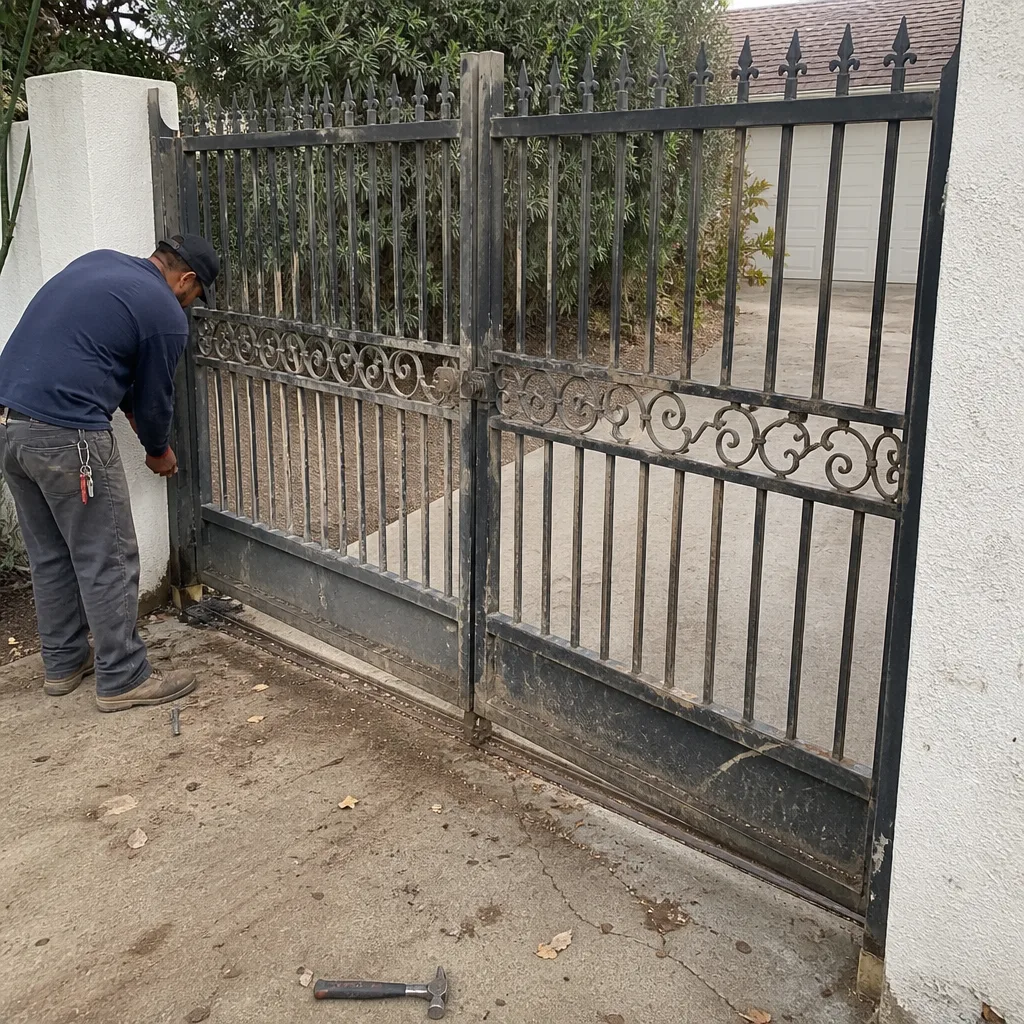 Before
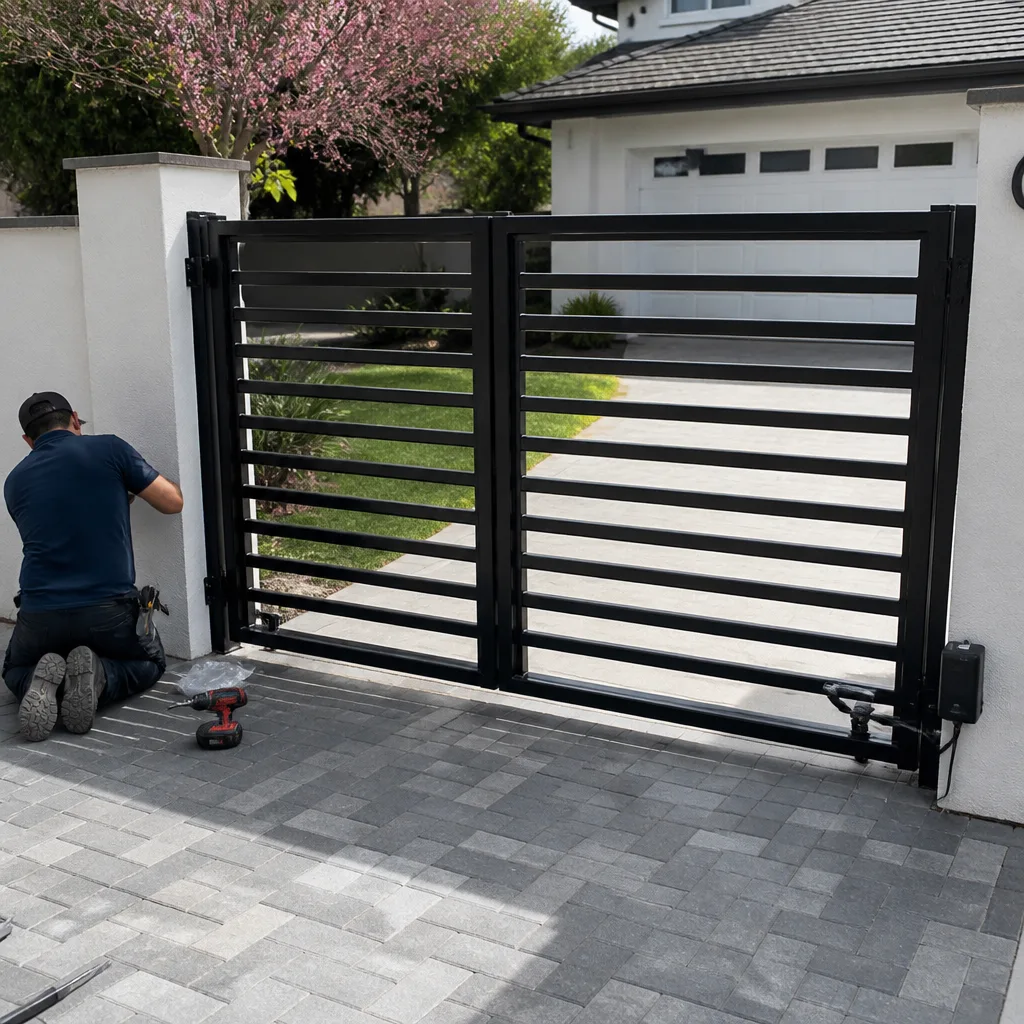 After
After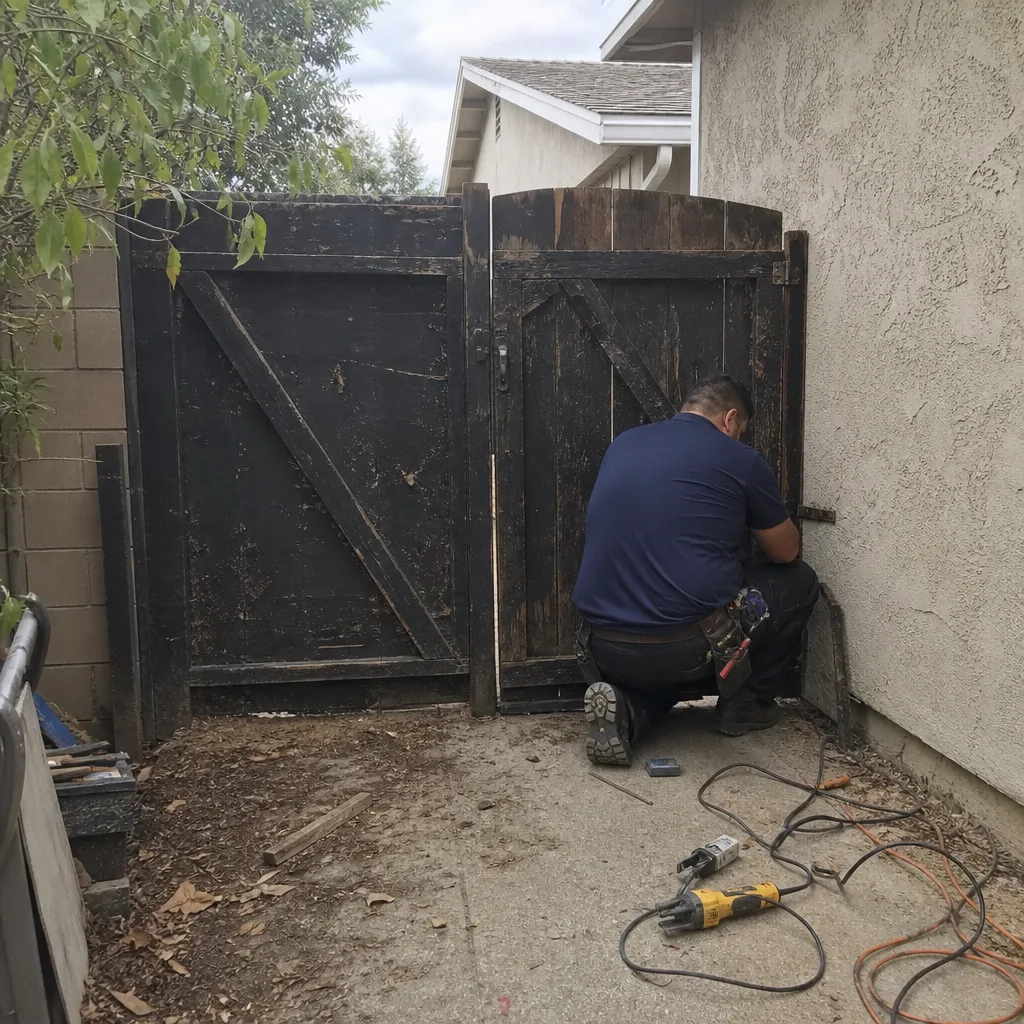 Before
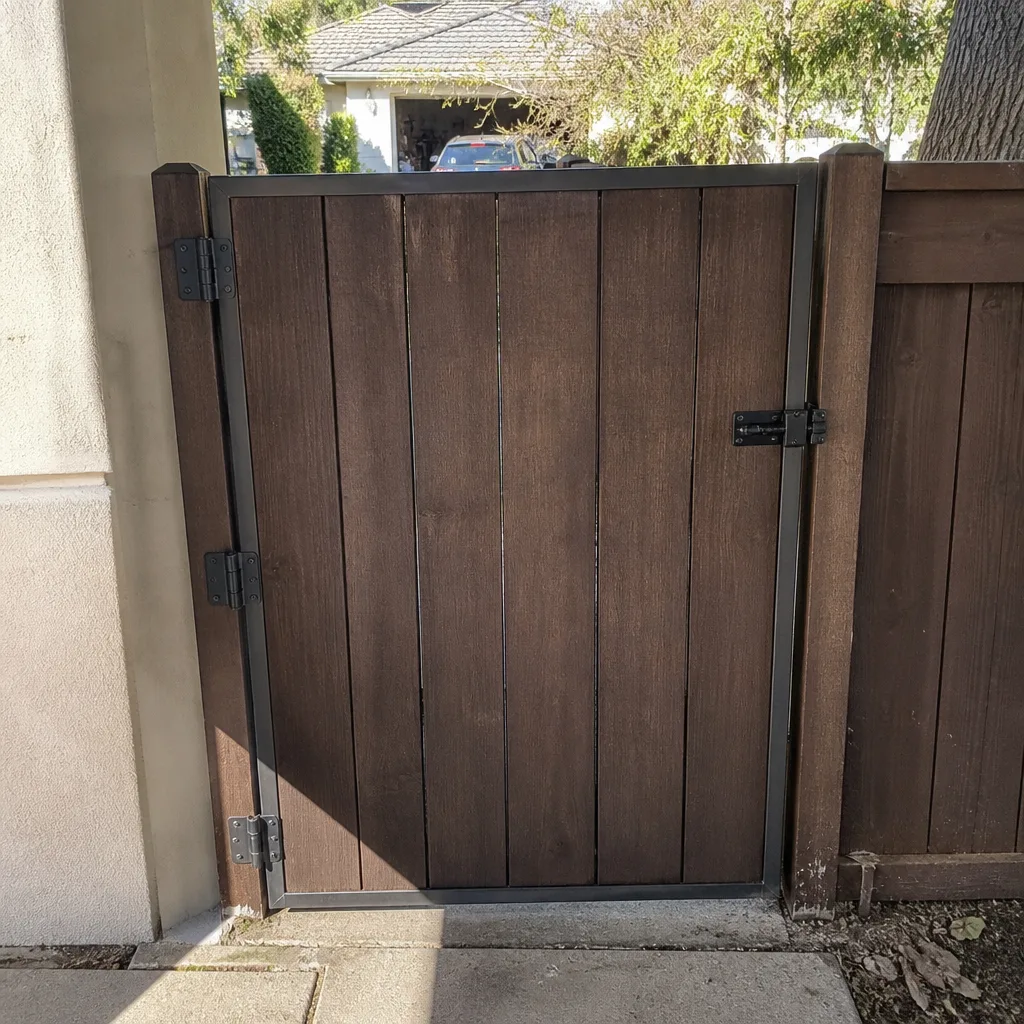 After
AfterWhen to Call a Professional
Call a professional when the gate creates a safety hazard, when the motor makes a sound you haven’t heard before, when the gate is visibly out of level or off its track, or when the problem recurs within a few weeks of a repair. These are all signs that the failure is deeper than a loose screw or a dead remote battery. Carver Gate Repair Thousand Oaks offers free estimates in Thousand Oaks – call (805) 309-3048 and describe the symptom. A live person answers around the clock, every day of the year, and every estimate is written before any work begins.
Frequently Asked Questions
Gate repair in Thousand Oaks typically costs between $150 and $450 for most mechanical repairs, while motor or control board replacement runs $400 to $1,200. The exact price depends on your gate type, motor brand, and the specific failure, so call (805) 309-3048 for a free written estimate.
Most standard gate repairs in Thousand Oaks are completed same-day when reported during business hours, since our trucks carry common parts for LiftMaster, Ghost Controls, DoorKing, Mighty Mule, and other major brands. Emergency calls for gates stuck open are dispatched immediately because a property left unsecured is a safety issue, not a scheduling issue.
A gate that opens on its own usually has a faulty loop detector, a control board with a shorted relay, or interference from a nearby remote. In Thousand Oaks, loop detectors buried in shifting clay soil are the most common culprit, followed by control board damage from voltage spikes during Santa Ana wind events.
Gate motors in Thousand Oaks typically last 7 to 12 years, but the dry heat can shorten the lifespan of capacitors and power supply boards, especially on south-facing installations with no shade. Regular seasonal maintenance and early repair of minor symptoms extend motor life significantly.
Yes. Carver Gate Repair Thousand Oaks services Mighty Mule, Ghost Controls, DoorKing, Elite, LiftMaster, FAAC, BFT, Linear, and Viking operators. Our technicians carry brand-specific parts and know each manufacturer’s failure patterns, so the door is fixed right the first time.
Yes. A gate stuck open leaves your property unsecured, and in Thousand Oaks’ hillside neighborhoods, that can mean exposure for your home, vehicles, and family. Call (805) 309-3048 immediately and a live person will dispatch a technician – nights, weekends, and holidays included.
The Bottom Line
Most Thousand Oaks gates fail from three root causes: hinge oxidation from dry heat cycles, capacitor degradation from summer temperatures, and track warping from direct sun on exposed driveways. The repair that fixes the symptom without addressing the cause is the repair that gets repeated in 18 months. Watch your gate for early signs like slow operation, level changes, and unusual sounds. Maintain the hinges and track seasonally. And when the gate fails, get a written price before work begins. The Carver Gate Repair Thousand Oaks home page has details on our process and guarantee – and our phones are answered by a live person, 24 hours a day, at (805) 309-3048.
Written by Lonnie Burke, Owner at Carver Gate Repair Thousand Oaks, serving Thousand Oaks since 2008.